Last checked: November 17, 2026. Snow and temperature figures are Japan Meteorological Agency (JMA) normals for 1991–2020 and JMA observations for this winter.
Snow starts falling in Hokkaido between mid-October and early November, but it only stays on the ground from late November in Niseko and Asahikawa, early December in Sapporo, and late December in Hakodate and Kushiro. If you want snow on the ground for your whole trip, go from early December to Asahikawa and Niseko, from mid-December to Sapporo and Otaru, and in January or February to the east coast. In a normal year the snow is deepest in February at all nine stations below.
- Quick answer
- First snow, snow cover and lasting snow cover are three different dates
- Snow dates by city in a normal year
- How much snow there is each month, and when it is deepest
- Snow so far in winter 2026–27
- Where to see snow first, area by area
- Daisetsuzan and Asahidake: white summits from late September
- Niseko and Kutchan: the earliest lasting snow and the most of it
- Asahikawa: the earliest snowy city
- Sapporo: snow for the city from mid-December
- Otaru: a snowy canal from December
- Hakodate: little snow until late December
- Eastern Hokkaido (Kushiro, Obihiro, Abashiri): cold, with less snow
- Temperatures and what to wear, November to February
- When the roads start to freeze
- Getting there
- Tips for international visitors
- FAQ
- Summary
Quick answer
The right month for snow in Hokkaido depends on what you want from it and where you are going. Find the row closest to your trip; the dates are 30-year averages, so add a week or two of margin if snow is the point of the trip.
| What you want | When and where | JMA normal behind it |
|---|---|---|
| Snow on the ground for a whole city trip | Early December onward in Asahikawa and Niseko (Kutchan) | Lasting snow cover starts November 21 (Kutchan) and November 24 (Asahikawa) |
| The same, in Sapporo or Otaru | Mid-December onward | Lasting snow cover starts December 2 (Otaru) and December 6 (Sapporo) |
| The same, in Hakodate | Late December onward | Lasting snow cover starts December 19 |
| The same, in Kushiro or Obihiro | January or February | Kushiro December 30, Obihiro December 7, and both swing widely from year to year |
| Skiing on a deep base in Niseko | January to March | Deepest snow at Kutchan: 155 cm in January, 181 cm in February, 170 cm in March |
| Sapporo Snow Festival (February 4–11, 2027) | February in Sapporo | Snow on the ground every day of February; deepest 95 cm |
| No snow or ice on the roads | Before mid-October, anywhere in Hokkaido | First ice from October 15 (Obihiro); first snow from October 19 (Asahikawa, Wakkanai) |
| White mountains above snow-free towns | Late September to October, Daisetsuzan | First snow on Asahidake’s summit: September 25 |
Sources: JMA Sapporo Regional Headquarters, normals for first snow and related dates (Japanese; winters from August 1990 to July 2020) and JMA monthly normals for each station (Japanese). Snow Festival dates from the Sapporo Snow Festival Executive Committee (Japanese; checked November 17, 2026).
First snow, snow cover and lasting snow cover are three different dates
“First snow” in Hokkaido usually means the first day any snow or sleet falls, not the first day the ground turns white. JMA publishes three separate start dates, and they can be more than seven weeks apart in the same town. For a trip, the date that matters is the start of lasting snow cover.
| JMA term | What it means | What you will see |
|---|---|---|
| First snow (yuki no shojitsu, 雪の初日) | The first day of the winter with snow or sleet, however light | Flakes in the air; the ground often stays bare |
| First snow cover (sekisetsu no shojitsu, 積雪の初日) | The first day the snow on the ground reaches 1 cm | A white morning that may melt within days |
| Lasting snow cover (neyuki, 根雪; officially chōki sekisetsu, 長期積雪) | The first day of a spell of 30 days or more with snow on the ground | Snow on the ground all the time |
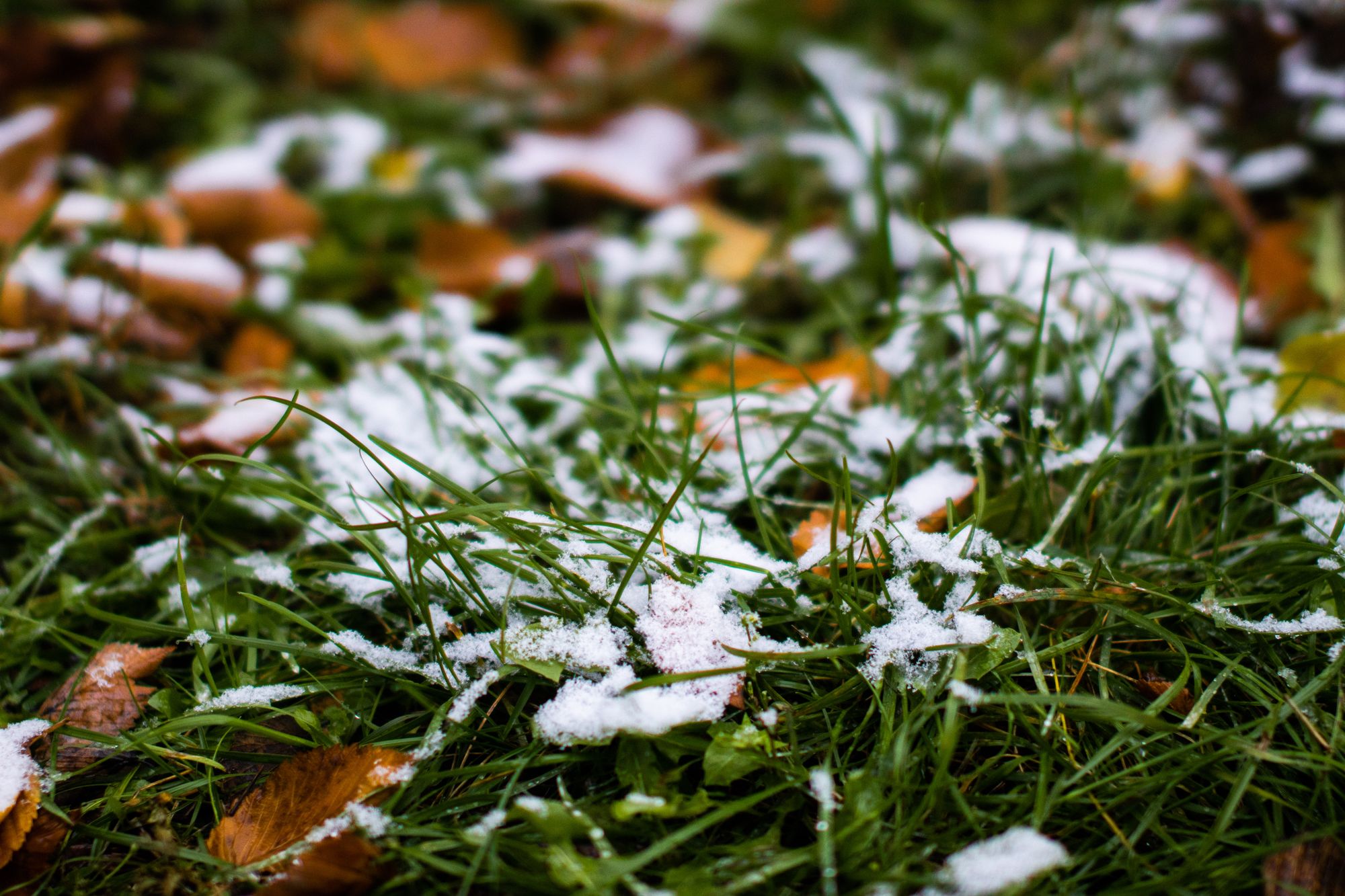
Because a spell has to last 30 days to count, the start of lasting snow cover is only fixed weeks later, and JMA adds it to its pages after the fact. JMA’s statistics guide also joins two spells of 10 days or more if the bare days between them total five or fewer.
JMA keeps these dates for 22 stations in Hokkaido only. There are no figures for Niseko, Furano or Biei themselves, so this article uses Kutchan (倶知安), the nearest of the 22 stations to the Niseko ski resorts, for Niseko.
Sources: JMA Guidelines for Meteorological Statistics, section 4.1.14(2) / JMA Sapporo FAQ (both Japanese)
Snow dates by city in a normal year
Lasting snow cover begins first in Kutchan (November 21) and Asahikawa (November 24), reaches Sapporo on December 6, and does not reach Kushiro until December 30. The table is sorted by that date. The gap between first snow and lasting snow cover is about a month in Kutchan and Asahikawa, but seven to eight weeks in Hakodate and Kushiro, where snow falls and melts many times before it stays.
| Station | First snow | First snow cover (1 cm) | Lasting snow cover starts | Lasting snow cover ends |
|---|---|---|---|---|
| Kutchan (Niseko area) | October 20 | November 6 | November 21 | April 17 |
| Asahikawa | October 19 | November 4 | November 24 | April 7 |
| Otaru | October 31 | November 15 | December 2 | April 8 |
| Wakkanai | October 19 | November 12 | December 3 | March 29 |
| Sapporo | October 28 | November 12 | December 6 | April 2 |
| Obihiro | November 1 | November 24 | December 7 | March 24 |
| Abashiri | October 30 | November 17 | December 8 | April 1 |
| Hakodate | November 1 | November 18 | December 19 | March 10 |
| Kushiro | November 7 | December 1 | December 30 | March 11 |
Source: JMA Sapporo Regional Headquarters, normals for first snow and related dates (Japanese; winters from August 1990 to July 2020). Checked November 17, 2026.
The end column matters for spring trips. Lasting snow cover normally ends around March 10 in Hakodate, but not until April 17 in Kutchan.
How much snow there is each month, and when it is deepest
Snow in Hokkaido is deepest in February at all nine stations, and in Kutchan it stays close to that peak through March. November is the month that splits the island: Kutchan and Asahikawa have snow on the ground on about 14 days, Sapporo on about 7, and Kushiro on just over 1. By December, every station except Kushiro has snow on the ground on most days.
| Station | Days with 1 cm or more: Nov | Days with 1 cm or more: Dec | Deepest snow: Dec | Jan | Feb | Mar |
|---|---|---|---|---|---|---|
| Kutchan | 14.4 | 30.5 | 99 cm | 155 cm | 181 cm | 170 cm |
| Asahikawa | 14.4 | 30.0 | 58 cm | 72 cm | 84 cm | 82 cm |
| Otaru | 8.4 | 28.9 | 54 cm | 92 cm | 117 cm | 106 cm |
| Wakkanai | 10.7 | 27.8 | 39 cm | 59 cm | 64 cm | 58 cm |
| Sapporo | 7.2 | 26.7 | 47 cm | 76 cm | 95 cm | 82 cm |
| Obihiro | 3.9 | 24.3 | 36 cm | 57 cm | 63 cm | 57 cm |
| Abashiri | 5.5 | 25.9 | 29 cm | 46 cm | 58 cm | 52 cm |
| Hakodate | 4.4 | 21.4 | 22 cm | 34 cm | 41 cm | 28 cm |
| Kushiro | 1.4 | 13.5 | 17 cm | 23 cm | 26 cm | 23 cm |
Source: JMA monthly normals (1991–2020), “Details (snow)” for each station (Japanese): Kutchan / Asahikawa / Otaru / Wakkanai / Sapporo / Obihiro / Abashiri / Hakodate / Kushiro. Checked November 17, 2026.
“Deepest snow” is the average of each year’s deepest reading in that month, measured at the station in town. Ski slopes are higher than the Kutchan station, so the figures describe the town, not the runs.
Snow so far in winter 2026–27
As of November 16, 2026, JMA had recorded the first snow of this winter at all nine stations, and snow had already covered the ground in Kutchan, Asahikawa, Otaru, Wakkanai and Sapporo. Kutchan’s first snow cover came on October 28, nine days earlier than normal, and Sapporo’s on November 7, five days early. No station has a start date for lasting snow cover yet; it can only be fixed after 30 days.
| Station | First snow (vs normal) | First snow cover (vs normal) | Last winter’s lasting snow cover started |
|---|---|---|---|
| Kutchan | October 22 (2 days late) | October 28 (9 days early) | December 2, 2025 |
| Asahikawa | October 22 (3 days late) | November 7 (3 days late) | November 17, 2025 |
| Otaru | October 28 (3 days early) | November 7 (8 days early) | December 8, 2025 |
| Wakkanai | October 22 (3 days late) | November 7 (5 days early) | December 1, 2025 |
| Sapporo | October 28 (same as normal) | November 7 (5 days early) | December 3, 2025 |
| Obihiro | October 28 (4 days early) | Not yet | December 3, 2025 |
| Abashiri | October 28 (2 days early) | Not yet | December 3, 2025 |
| Hakodate | October 28 (4 days early) | Not yet | December 26, 2025 |
| Kushiro | October 28 (10 days early) | Not yet | December 14, 2025 |
Sources: JMA Sapporo Regional Headquarters, observations for this winter (as of November 16, 2026) and observations for last winter (both Japanese). Checked November 17, 2026.
Obihiro and Kushiro show how far the east coast can drift from its normal. JMA lists Kushiro’s start last winter as 51 days earlier than the winter before, which puts winter 2024–25 at February 3, 2025, and Obihiro’s as 28 days earlier, which puts the year before at December 31, 2024. If snow is the reason for an eastern Hokkaido trip, January and February are the safer months.
JMA updates the observation page as the season goes on. According to JMA, a new observation can appear on the page as early as the afternoon of the following day, so check it a few days before you leave.
Where to see snow first, area by area
The mountains of central Hokkaido turn white first, then Niseko and Asahikawa, then Sapporo and Otaru, and finally Hakodate and the east coast. Each area below lists the JMA normals that set its timing.
Daisetsuzan and Asahidake: white summits from late September
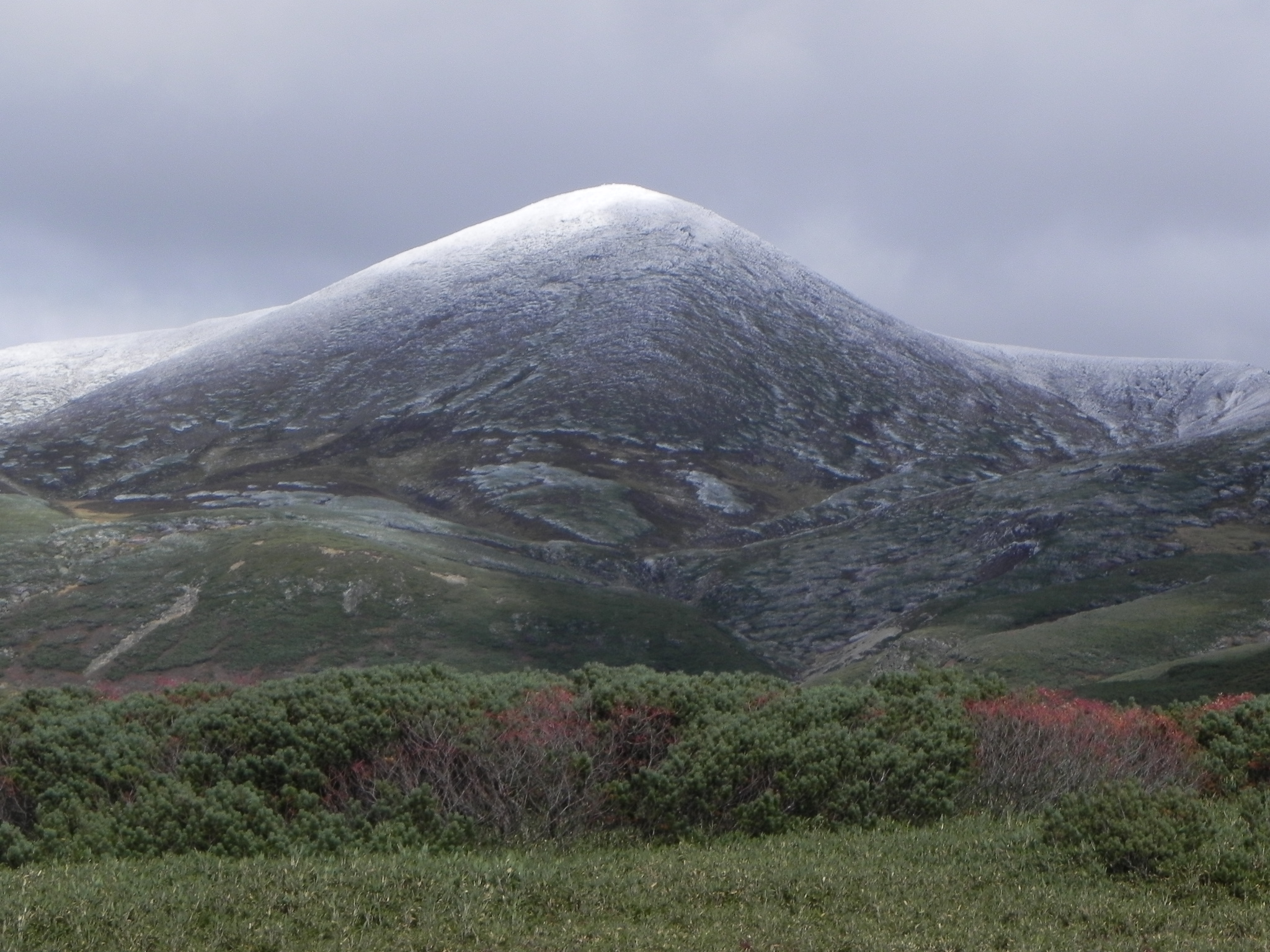
The normal date for the first snow on Asahidake’s summit, as watched from Asahikawa, is September 25, the earliest of the Hokkaido mountains JMA tracked. The normal date is October 18 for Mount Teine, seen from Sapporo, and October 29 for Mount Yokotsu near Hakodate. This winter JMA lists snow on Asahidake’s summit from October 2, 2026, but it now judges summit snow from analysis data rather than by eye, and says the new dates cannot be compared directly with the old ones.
Source: JMA, snow at mountain summits (Japanese; checked November 17, 2026)
Niseko and Kutchan: the earliest lasting snow and the most of it
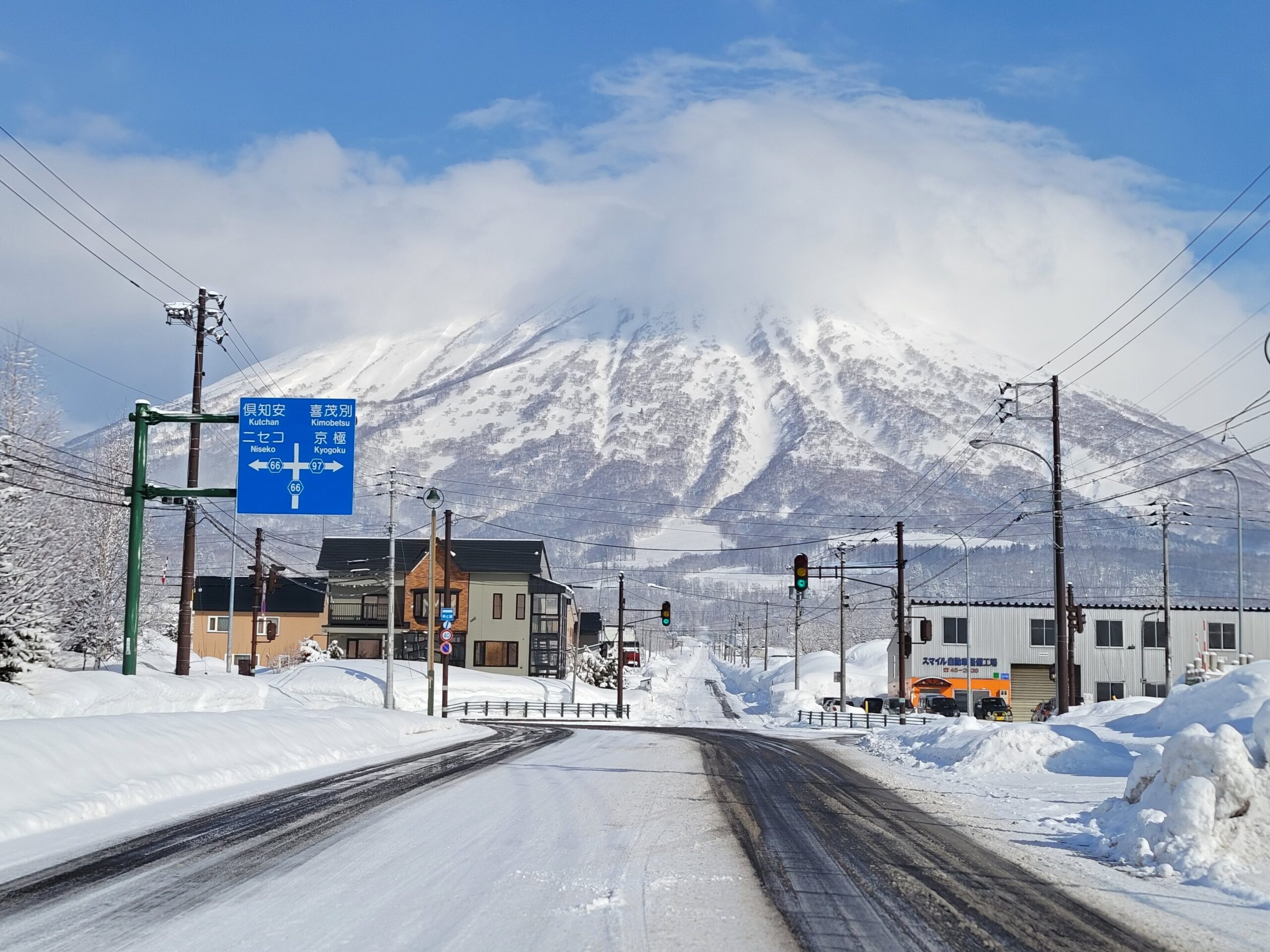
Kutchan has the earliest lasting snow cover of the nine stations (November 21) and by far the deepest snow, with a normal December peak of 99 cm and 181 cm in February. Snow lies on the ground until mid-April in a normal year. For where to base yourself, see where to stay in Niseko.
Asahikawa: the earliest snowy city
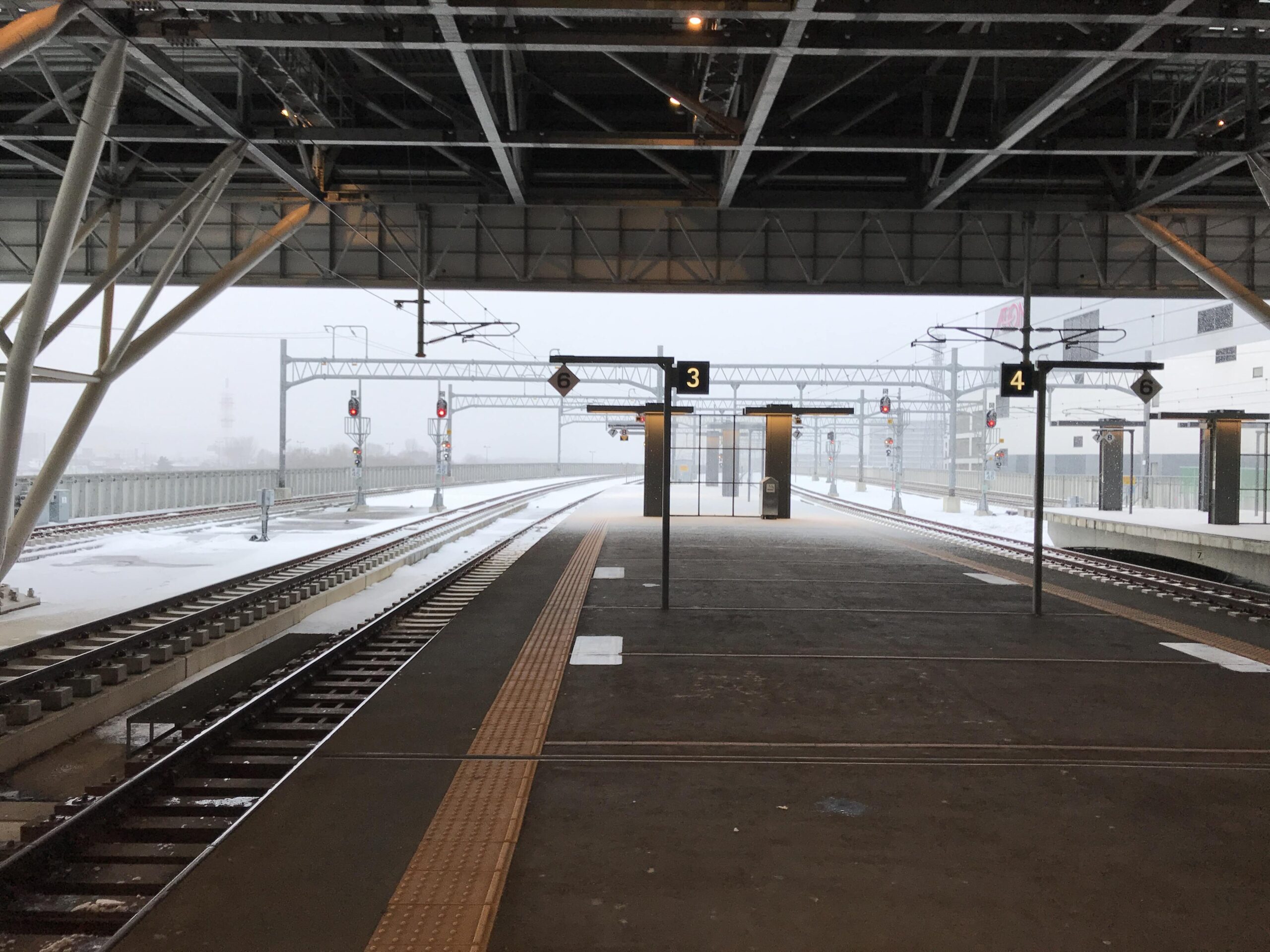
Asahikawa’s first snow normally comes on October 19 and its lasting snow cover on November 24, the earliest of the large cities. It is also the coldest of the nine stations in December, with a mean of -4.2°C. If your trip is in late November and you want a snowy town, Asahikawa is the most likely place to find one.
Sapporo: snow for the city from mid-December
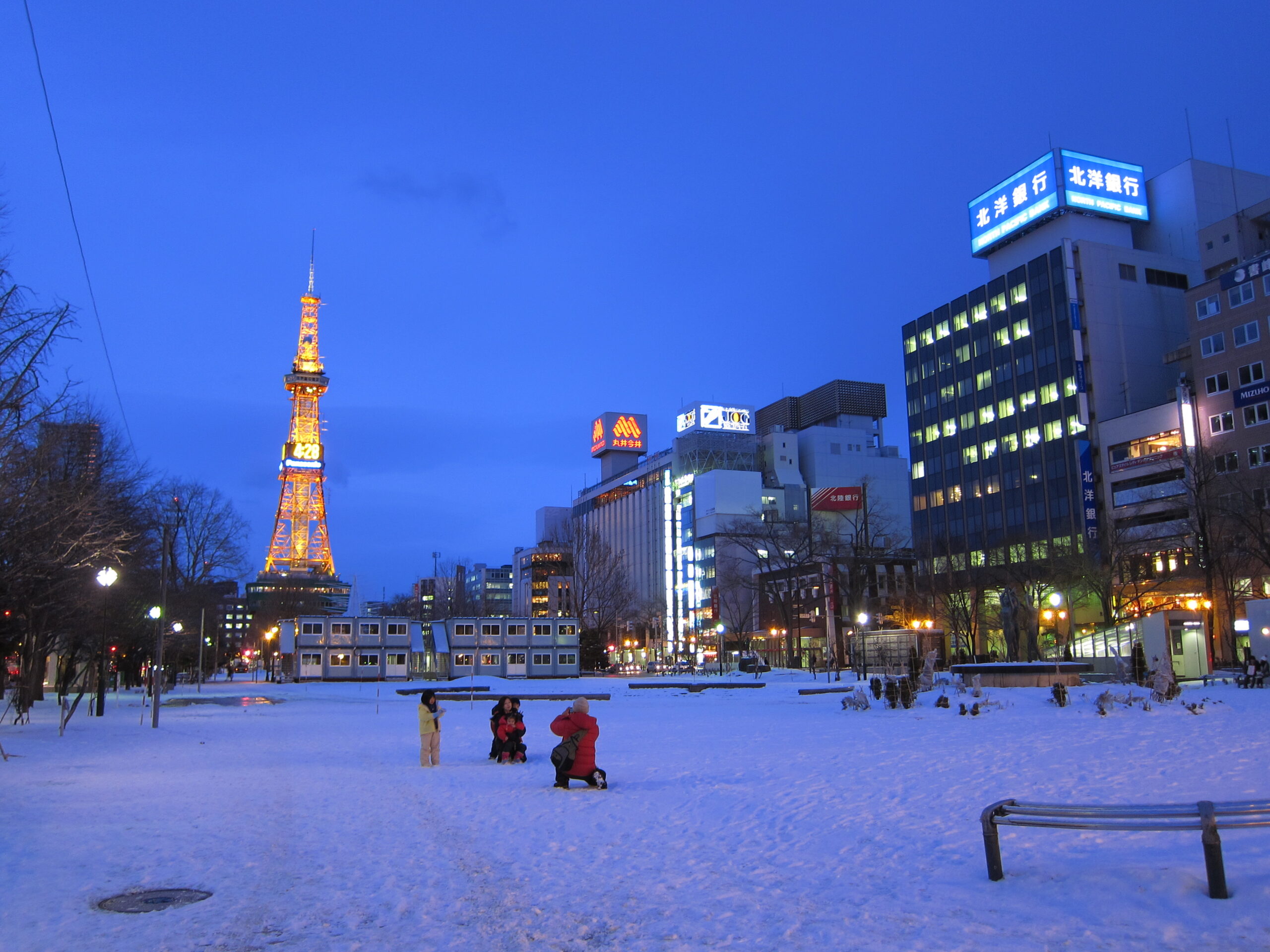
Sapporo’s lasting snow cover normally starts on December 6; last winter it started on December 3, 2025, three days earlier than normal. In February, the month of the Snow Festival, a normal year has snow on the ground every day and a peak depth of 95 cm. Hotels near the festival sites are covered in Sapporo Snow Festival hotels near Odori and Susukino.
Otaru: a snowy canal from December
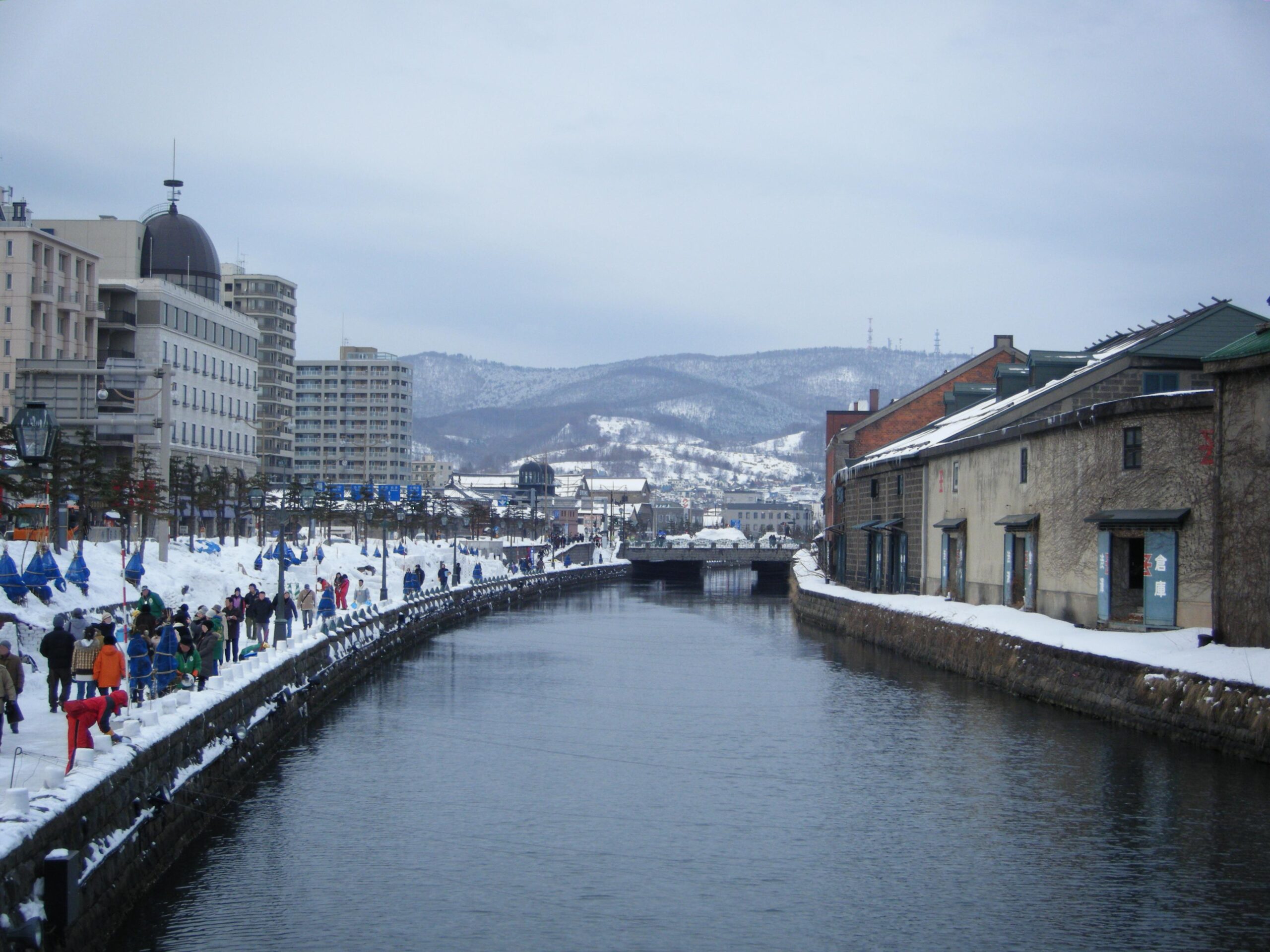
Otaru’s lasting snow cover normally starts on December 2, a few days before Sapporo’s. November has snow on the ground on about 8 days, December on about 29, and the February peak (117 cm) is deeper than Sapporo’s.
Hakodate: little snow until late December
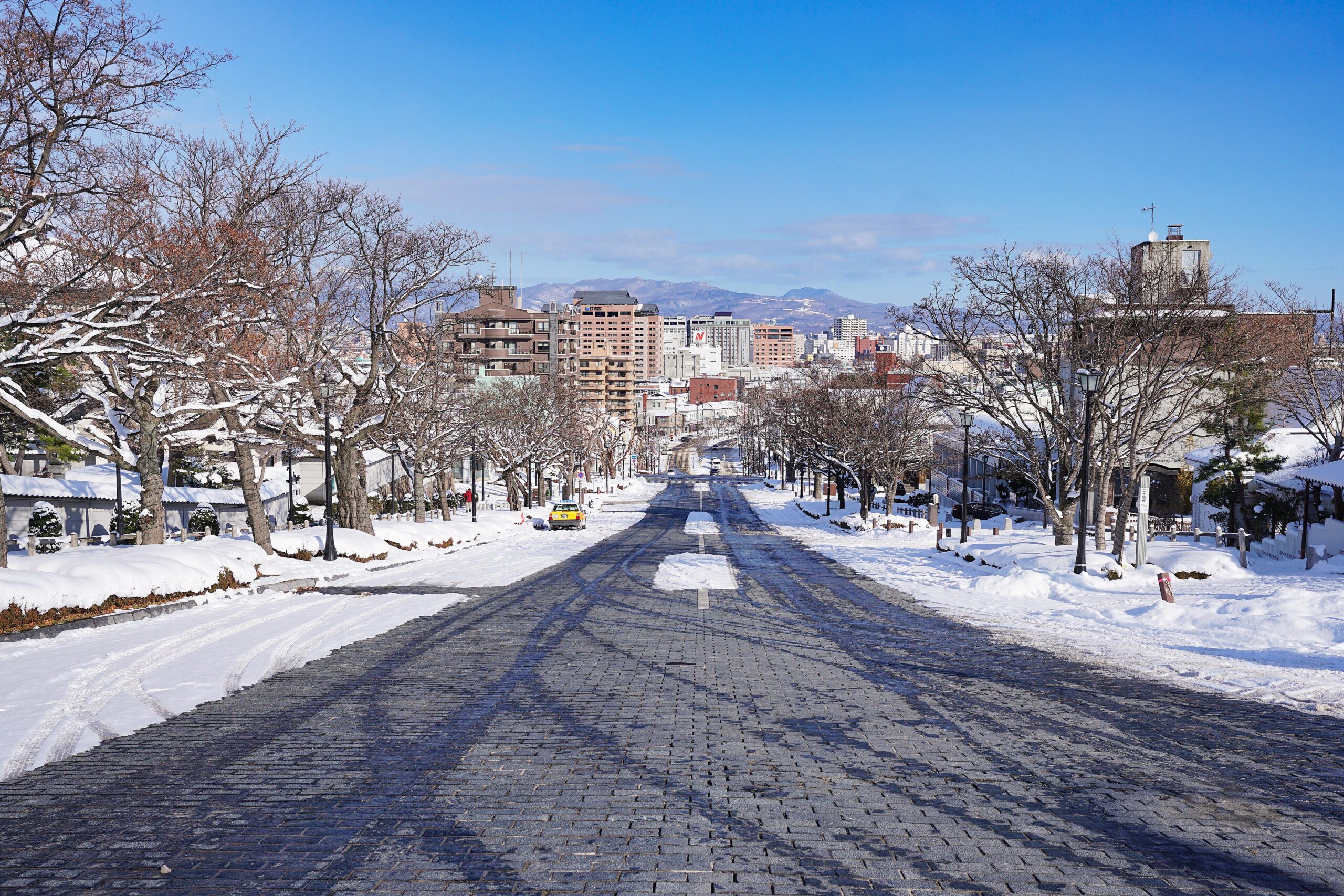
Hakodate’s lasting snow cover normally starts on December 19, and its December peak is only 22 cm. A visit in November or the first half of December will most likely be snow-free in town; for a snowy Hakodate, go after Christmas. Last winter the start came even later, on December 26, 2025.
Eastern Hokkaido (Kushiro, Obihiro, Abashiri): cold, with less snow
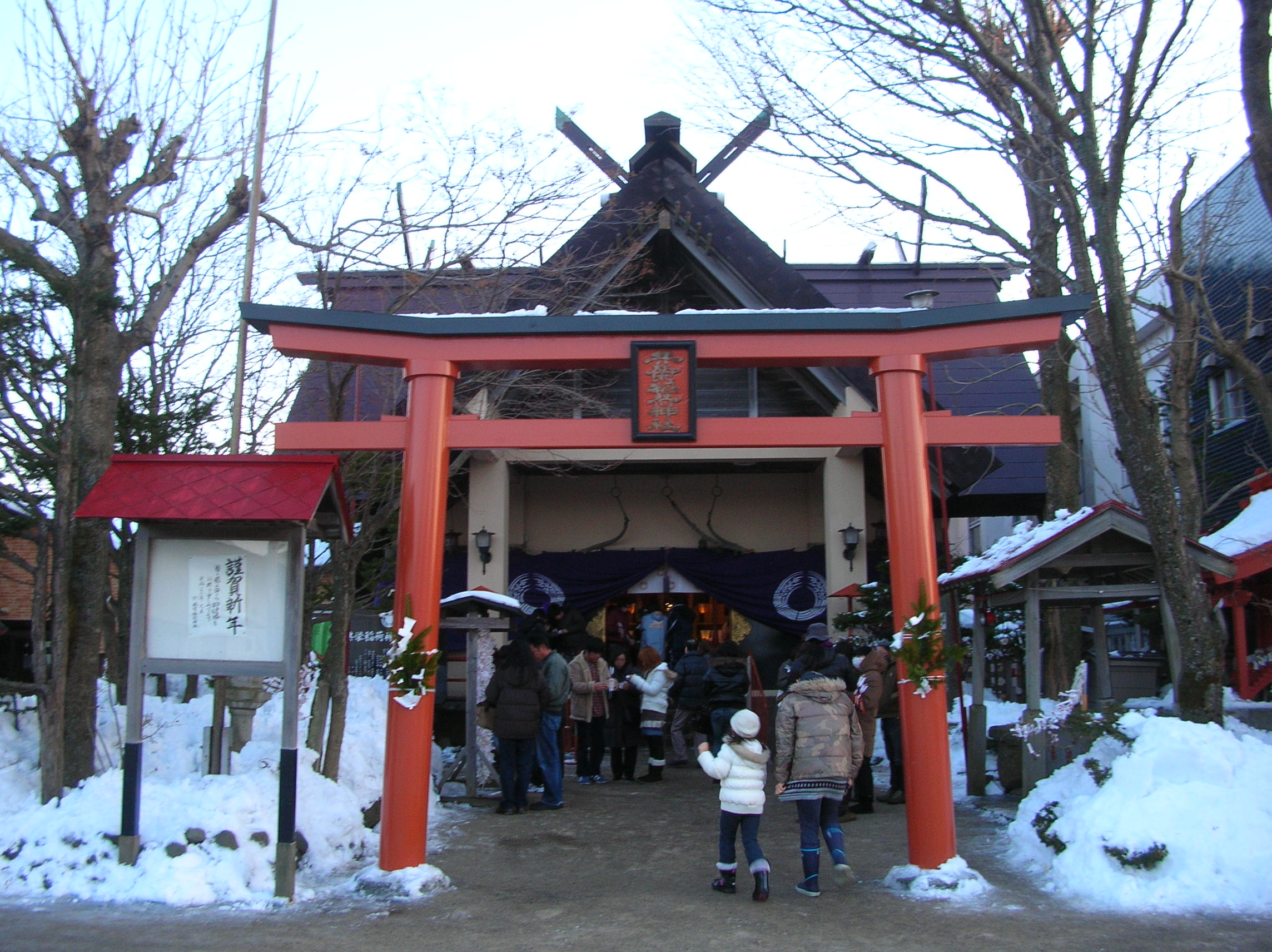
Kushiro has snow on the ground on only 1.4 days in a normal November, and its lasting snow cover does not start until December 30. Obihiro has little snow in November (3.9 days) but is cold, with a normal December low of -8.9°C. Abashiri, on the Okhotsk coast, has snow on most December days (25.9) and lasting cover from December 8. The drift ice off Abashiri follows its own calendar, set out in when to see drift ice in Hokkaido.
Temperatures and what to wear, November to February
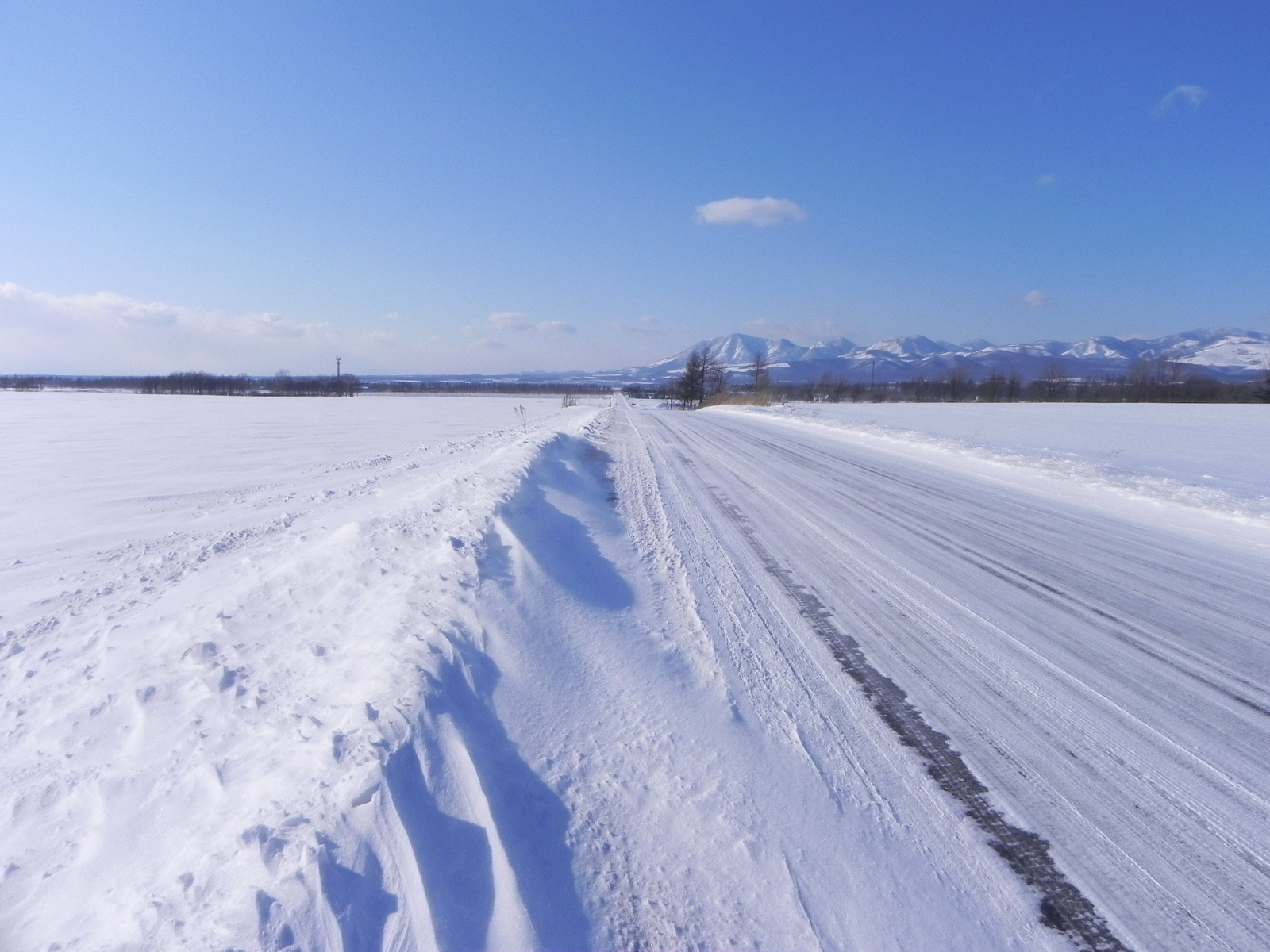
Hokkaido gets a step colder from November to December, and January and February are colder still. In November, Sapporo’s normal daytime high is 8.7°C with lows near freezing; by January, Asahikawa and Obihiro have normal lows below -11°C.
| Station (normal high / low) | November | December | January | February |
|---|---|---|---|---|
| Sapporo | 8.7 / 1.6°C | 2.0 / -4.0°C | -0.4 / -6.4°C | 0.4 / -6.2°C |
| Kutchan (Niseko area) | 6.9 / -1.0°C | 0.0 / -6.8°C | -2.0 / -9.6°C | -1.0 / -9.4°C |
| Asahikawa | 6.2 / -1.5°C | -0.8 / -8.0°C | -3.3 / -11.7°C | -1.7 / -11.8°C |
| Hakodate | 10.0 / 1.8°C | 3.2 / -3.6°C | 0.9 / -6.0°C | 1.8 / -5.7°C |
| Obihiro | 8.4 / -1.1°C | 1.0 / -8.9°C | -1.5 / -13.0°C | -0.2 / -12.0°C |
| Abashiri | 7.6 / 0.4°C | 0.7 / -6.0°C | -2.2 / -8.9°C | -2.0 / -9.6°C |
Sources: JMA monthly normals (1991–2020) for each station (Japanese); the Sapporo figures also appear on JMA’s English table of climatological normals. Checked November 17, 2026.
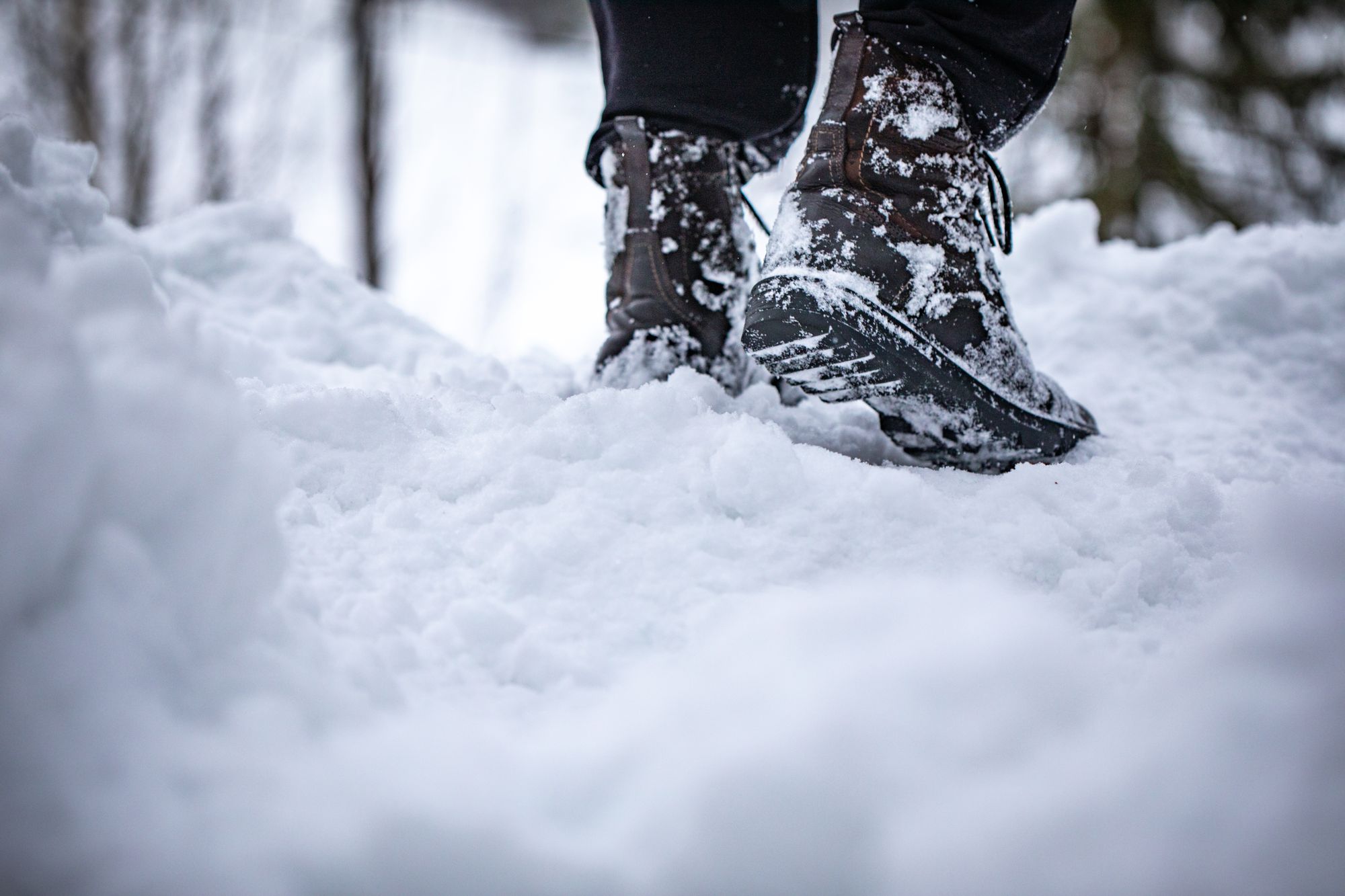
In November a warm coat is enough by day, but snow that falls tends to melt into slush, so waterproof shoes help more than heavy boots. From December, pack a thick down jacket, gloves, a hat and winter boots with deep tread for packed snow and ice. At the Sapporo Snow Festival, the festival website (Japanese, and still describing the 2026 event) says the official shops at the Odori site lend walking sticks free of charge to prevent falls and sell grips that attach to the soles of your shoes.
When the roads start to freeze
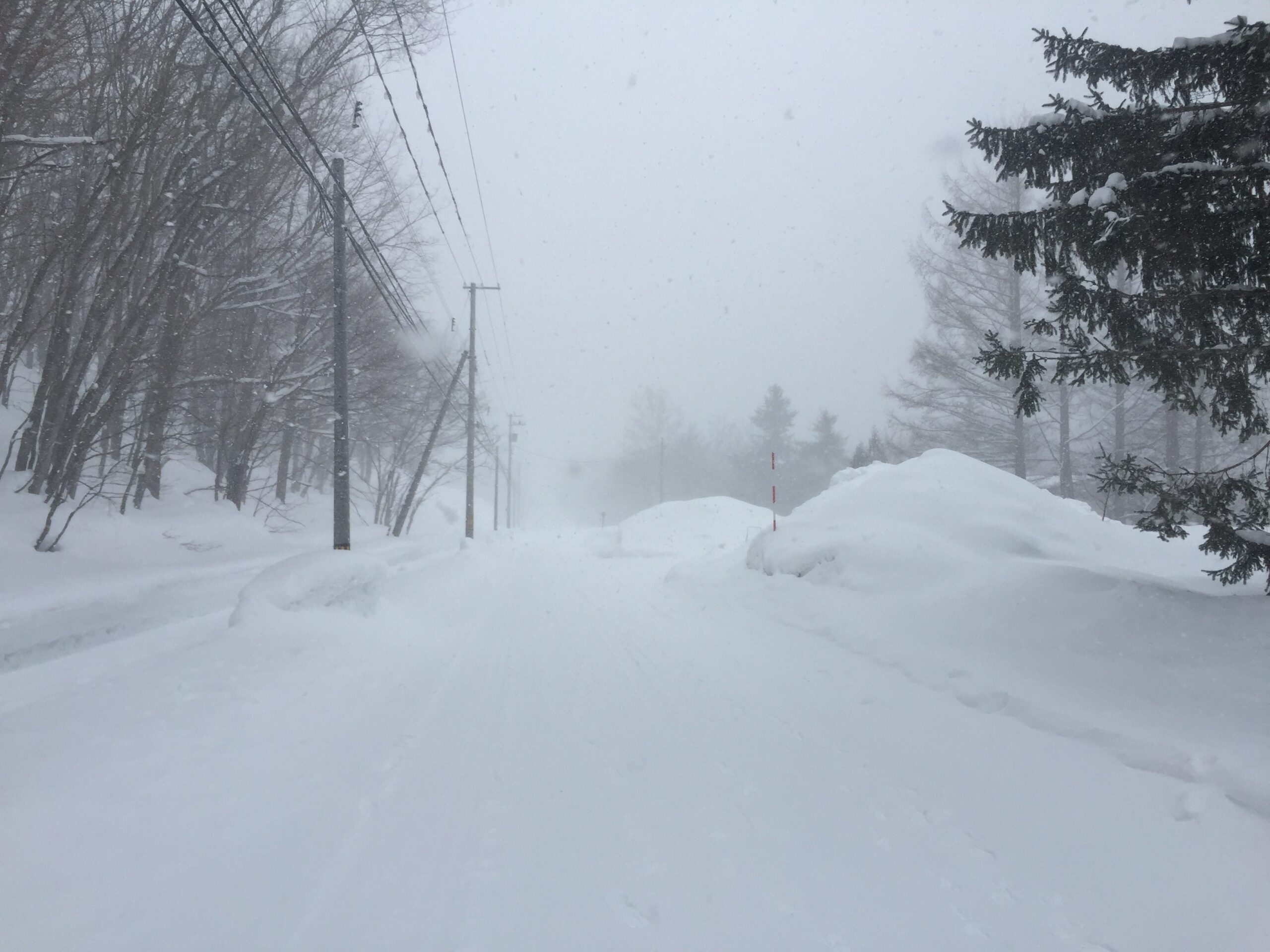
Ice can form on Hokkaido roads before the first snow. JMA’s normal date for the first ice (frozen water seen at the station) is October 15 in Obihiro, October 16 in Kutchan (a reference value) and October 18 in Asahikawa, ahead of the first snow in each place. To be sure of dry, ice-free roads across Hokkaido, travel before mid-October, and keep in mind that early winters happen: in 2025, Kutchan’s first snow came on October 10.
Elsewhere the first ice comes later: October 22 in Kushiro, October 28 in Sapporo, October 30 in Abashiri and November 2 in Hakodate. Even where there is little snow, mornings and shaded roads can be icy from late October.
Rental cars in Hokkaido come with winter tires in season. Toyota Rent a Car fits them at all its Hokkaido shops from November 1 to May 5, and Nippon Rent-A-Car from November 1 to April 20 (by departure date), each with a winter seasonal charge (Toyota and Nippon Rent-A-Car English pages, checked November 17, 2026). For license rules and road conditions, see driving in Hokkaido in winter.
Getting there
From New Chitose Airport, you can reach Sapporo, Niseko and Asahikawa by train or bus without driving. JR Rapid Airport trains leave from the station on the basement floor (B1F) of the terminal and reach Sapporo in 33 minutes on the fastest service. IC cards such as Suica, ICOCA, PASMO and Kitaca work at the gates; the basic ticket machines take cash only, while the reserved-seat machines and JR counters also take credit cards.
- Niseko: in winter, ski buses run from New Chitose Airport; times and last buses are in New Chitose Airport ski buses. IC cards cannot be used at Kutchan or Niseko stations, so buy a ticket before you board a train there.
- Asahikawa: JR limited express trains Kamui and Lilac run from Sapporo. All seats on JR Hokkaido limited express trains are reserved, so you need a reserved-seat limited express ticket on top of the basic fare. Nothing is sold on board, so buy food and drinks first.
- Abashiri: from Memanbetsu Airport, the airport bus to Abashiri Bus Terminal takes about 35 minutes (¥1,050) and connects with domestic flights.
Sources: JR Hokkaido: New Chitose Airport (checked November 12, 2026) / JR Hokkaido: trains bound for Asahikawa and train guide (both checked November 17, 2026) / JR Hokkaido: Kitaca / Memanbetsu Airport (both checked November 8, 2026)
Tips for international visitors
The JMA pages for this winter’s snow are in Japanese only. The station names appear in kanji: 札幌 Sapporo, 倶知安 Kutchan, 旭川 Asahikawa, 小樽 Otaru, 稚内 Wakkanai, 帯広 Obihiro, 網走 Abashiri, 函館 Hakodate and 釧路 Kushiro. Dates are written as 11月7日 (November 7); 平年差 is the difference from normal, with 早い meaning earlier and 遅い later. A blank cell means nothing has been recorded yet.
Heavy snow can delay or cancel trains and flights, so leave slack in the plan around your flight home. JR Hokkaido shows where its trains are on an English Train Location Information page, line by line.
If snow is the reason for the trip and you can choose your dates, aim for one to two weeks after the normal start of lasting snow cover at your destination. In the east, where the start has varied from early December to February in recent winters, choose January or February.
FAQ
Snow in Hokkaido normally starts falling between mid-October and early November, stays on the ground from late November in Kutchan to the end of December in Kushiro, and is deepest in February. The answers below use JMA normals for 1991–2020 and this winter’s JMA observations as of November 16, 2026.
When does it start snowing in Hokkaido?
Snow normally starts falling in Hokkaido between mid-October and early November: October 19 in Asahikawa and Wakkanai, October 20 in Kutchan (Niseko area), October 28 in Sapporo, November 1 in Hakodate and Obihiro, and November 7 in Kushiro. That first snow rarely stays. Snow lies on the ground all the time from November 21 in Kutchan, December 6 in Sapporo and December 30 in Kushiro.
Will there be snow in Sapporo in early December?
Probably some, but not for certain. Sapporo’s lasting snow cover normally starts on December 6; last winter it started on December 3, 2025, three days earlier than normal. In a normal December there is snow on the ground on about 27 of 31 days, and this winter the first snow cover came on November 7, five days earlier than normal.
When is the snow deepest in Hokkaido?
Snow in Hokkaido is deepest in February. At all nine stations here, February has the highest normal monthly peak: 181 cm in Kutchan (Niseko area), 117 cm in Otaru, 95 cm in Sapporo, 84 cm in Asahikawa and 26 cm in Kushiro. In Kutchan the snow is still 170 cm deep in March.
Is there snow in Hokkaido in November?
It depends on where you go. In a normal November, there is snow on the ground on about 14 days in Kutchan and Asahikawa, about 7 days in Sapporo, about 4 days in Hakodate and just over 1 day in Kushiro. For snow, head to Asahikawa or Niseko; to avoid it, Hakodate and the east coast are the better bets.
Has it snowed in Hokkaido yet this winter?
Yes. As of November 16, 2026, JMA had recorded this winter’s first snow at all nine stations, the earliest on October 22 in Kutchan, Asahikawa and Wakkanai. Snow has also covered the ground in Kutchan (from October 28) and in Sapporo, Asahikawa, Otaru and Wakkanai (from November 7). No lasting snow cover has been recorded yet.
Summary
Hokkaido has lasting snow on the ground from late November in Kutchan (Niseko) and Asahikawa to the end of December in Kushiro, and the snow is deepest in February everywhere. This winter started early: by November 16, 2026, snow had covered the ground in Sapporo and Kutchan ahead of normal.
- Snow starts falling between mid-October and early November, but the first snow is often sleet or flakes that melt.
- Snow stays on the ground from late November in Kutchan (Niseko) and Asahikawa, early December in Sapporo, Otaru, Wakkanai, Obihiro and Abashiri, late December in Hakodate, and the end of December in Kushiro.
- For snow throughout a trip, add one to two weeks to those dates. In the east, choose January or February.
- Snow is deepest in February everywhere; Niseko stays near its peak through March.
- Roads can ice over from mid-October inland, before the first snow. Winter tires are standard on Hokkaido rental cars from November 1.
- This winter, snow had covered the ground in Sapporo and Kutchan (Niseko area) by November 16, 2026, ahead of normal.
Normals are 30-year averages, not forecasts, and any single winter can be weeks earlier or later. This winter’s observations are as of the date shown and will change as the season goes on.